What a Grocery Store Can Teach Your Students About Economics
With a shift in focus, a grocery store becomes a place where economic thinking is already happening in ways students can begin to understand.


Most of the time, a trip to the grocery store is about getting through a list: planning meals, watching spending, and moving quickly through familiar routines.
But recently, I had the opportunity to experience a grocery store in a different way.
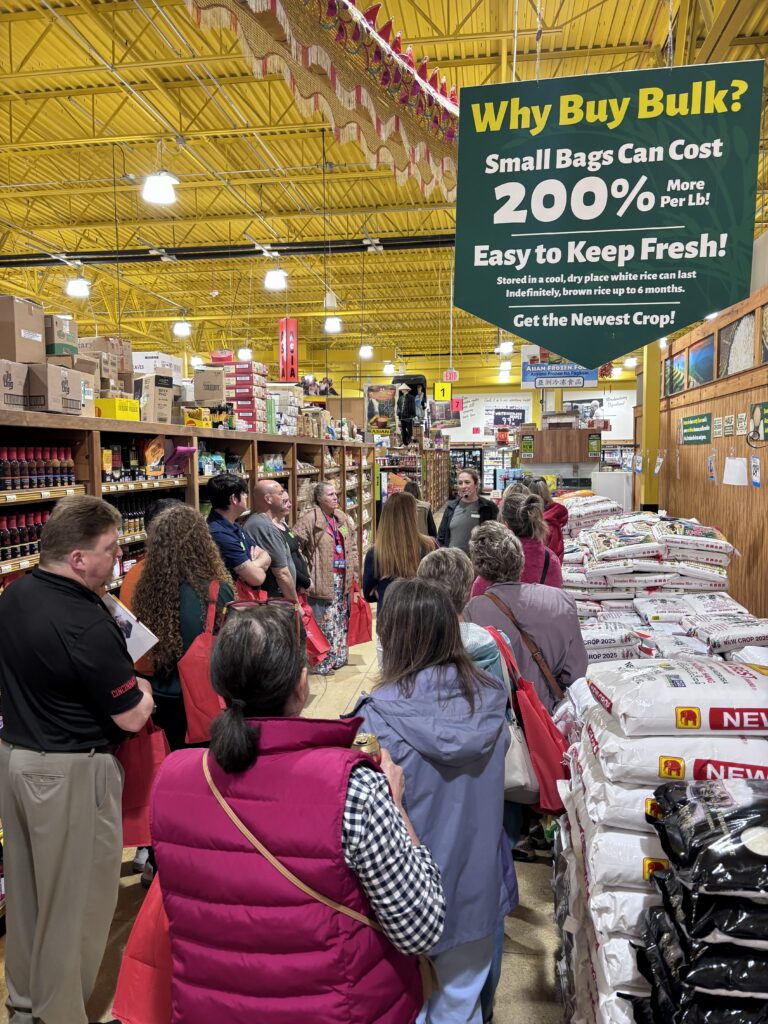
As part of our Alpaugh Scholars Professional Development Series, we brought a group of educators to Jungle Jim’s International Market here in Cincinnati. Instead of moving quickly from aisle to aisle, we slowed down and paid closer attention to what was around us.
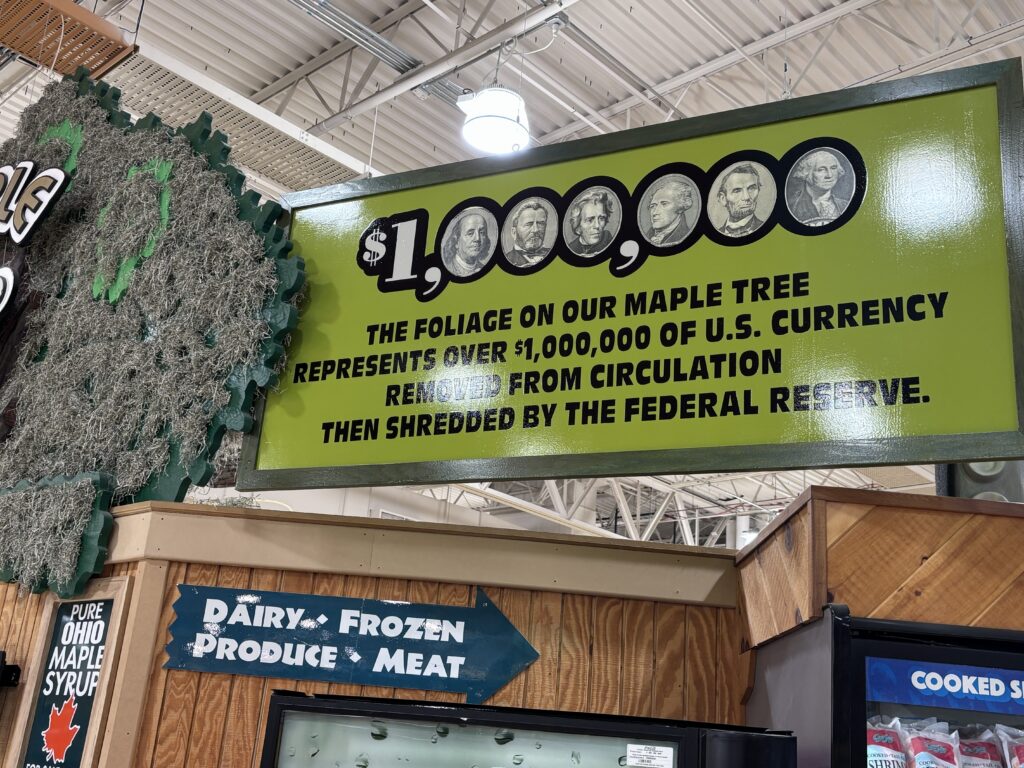
What began as a routine environment started to feel like a space shaped by economic decisions.
Before the tour, I created a simple observation worksheet. It wasn’t intended as a formal assignment, but as a way to capture ideas that could later translate into classroom practice.
As we moved through the store, educators began to notice things differently. Prices became points of curiosity rather than fixed numbers. When similar products were placed side by side with different price tags, it raised questions about quality, branding, and origin. Fully stocked shelves felt different from partially empty ones, prompting conversations about availability and the factors that influence it.
What stood out most, though, was how the experience expanded the way we think about teaching economics.
One educator reflected afterward:
“Before this experience, I tended to think about financial literacy mostly in terms of budgeting, saving, and spending wisely. Jungle Jim’s pushed me to think more broadly. Buying in bulk, like rice, is one example of cost efficiency, but the bigger takeaway was how resourcefulness plays a role in economic thinking.”
The idea that resourcefulness is part of economic thinking feels especially important. When students begin to see economics not just as managing money, but as a way of thinking through choices and trade-offs, the learning becomes more meaningful.
Students already have experience with environments like this. They’ve seen prices, compared options, and participated (at least in small ways) in decisions about what gets purchased. Starting from that familiarity allows for deeper and more authentic engagement.
An in-person experience can be powerful, but it isn’t necessary. A grocery ad, a receipt, or even a conversation about a recent shopping trip can serve as an entry point. What matters is creating space for students to observe, question, and connect what they see to broader economic ideas.
At the end of the worksheet, there’s one question that continues to resonate: What is one example from this experience that you could use to explain economics to your students?
It’s a simple prompt, but it captures the goal of the experience—taking something familiar and using it to make learning more relevant and tangible.
Want to Try This in Your Classroom?
If you’re interested in using grocery stores as a way to teach economics, we’ve compiled the resources shared during this workshop, including lesson plans, activities, and classroom connections.
You can access everything here:
👉 https://drive.google.com/drive/folders/17JNt-AT1pq65kC8MXTDKy7kyYsi_5IgX?usp=drive_link
The next time you walk through a grocery store, there’s an opportunity to see more than what’s on your list. With a shift in focus, it becomes a place where economic thinking is already happening!